

Our Solution
Data Sovereignty & Regional Compliance
The "Sovereign Asset" Philosophy
In many emerging markets, data is the new oil. MedixGate treats patient health information (PHI) as a national strategic asset. Unlike global platforms that sweep data into centralized "Western" clouds, MedixGate ensures that the digital footprint of your citizens stays within your governance. This prevents "jurisdictional creep," where foreign laws could theoretically impact access to local patient data.
Regional Compliance Frameworks
We do not just offer a blanket privacy policy; we map our architecture to the specific "Data Protection Acts" of each region:
Nigeria (NDPR): Strict adherence to the Nigeria Data Protection Regulation, ensuring local processing and technical security measures that satisfy NITDA audits.
Morocco (CNDP): Full alignment with Law 09-08, guaranteeing that the processing of personal data respects the fundamental rights and freedoms of Moroccan citizens.
Kenya (Data Protection Act 2019): Built-in "Data Protection by Design," ensuring that health data classified as "sensitive" under Kenyan law is handled with the required heightened scrutiny.

Our Solution
Data Sovereignty & Regional Compliance
The "Sovereign Asset" Philosophy
In many emerging markets, data is the new oil. MedixGate treats patient health information (PHI) as a national strategic asset. Unlike global platforms that sweep data into centralized "Western" clouds, MedixGate ensures that the digital footprint of your citizens stays within your governance. This prevents "jurisdictional creep," where foreign laws could theoretically impact access to local patient data.
Regional Compliance Frameworks
We do not just offer a blanket privacy policy; we map our architecture to the specific "Data Protection Acts" of each region:
Nigeria (NDPR): Strict adherence to the Nigeria Data Protection Regulation, ensuring local processing and technical security measures that satisfy NITDA audits.
Morocco (CNDP): Full alignment with Law 09-08, guaranteeing that the processing of personal data respects the fundamental rights and freedoms of Moroccan citizens.
Kenya (Data Protection Act 2019): Built-in "Data Protection by Design," ensuring that health data classified as "sensitive" under Kenyan law is handled with the required heightened scrutiny.
Localized Hosting Strategy
The biggest weakness of legacy US-based EHRs is their reliance on US or EU data centers. MedixGate utilizes a Localized Cloud Strategy:
In-Country Data Residency: Where required by law, we partner with Tier-3 regional data centers to host data locally.
Multi-Region Failover: While data remains in your borders, we maintain encrypted, redundant backups in neighboring regional hubs to ensure disaster recovery without violating sovereignty.
Technical Safeguards
AES-256 Encryption at Rest: Every clinical note, lab result, and payment record is encrypted using military-grade standards before it ever hits a disk.
Granular Access Control: Role-based access ensures that only authorized local clinicians can view data, providing an immutable audit trail for regional regulators.
Anonymized Research Aggregation: If data is used for public health trends (e.g., tracking a malaria outbreak in Ethiopia), it is fully de-identified at the source to protect individual privacy while serving the public good.


Localized Hosting Strategy
The biggest weakness of legacy US-based EHRs is their reliance on US or EU data centers. MedixGate utilizes a Localized Cloud Strategy:
In-Country Data Residency: Where required by law, we partner with Tier-3 regional data centers to host data locally.
Multi-Region Failover: While data remains in your borders, we maintain encrypted, redundant backups in neighboring regional hubs to ensure disaster recovery without violating sovereignty.
Technical Safeguards
AES-256 Encryption at Rest: Every clinical note, lab result, and payment record is encrypted using military-grade standards before it ever hits a disk.
Granular Access Control: Role-based access ensures that only authorized local clinicians can view data, providing an immutable audit trail for regional regulators.
Anonymized Research Aggregation: If data is used for public health trends (e.g., tracking a malaria outbreak in Ethiopia), it is fully de-identified at the source to protect individual privacy while serving the public good.
Connectivity Resilience
The "Always-On" Architecture
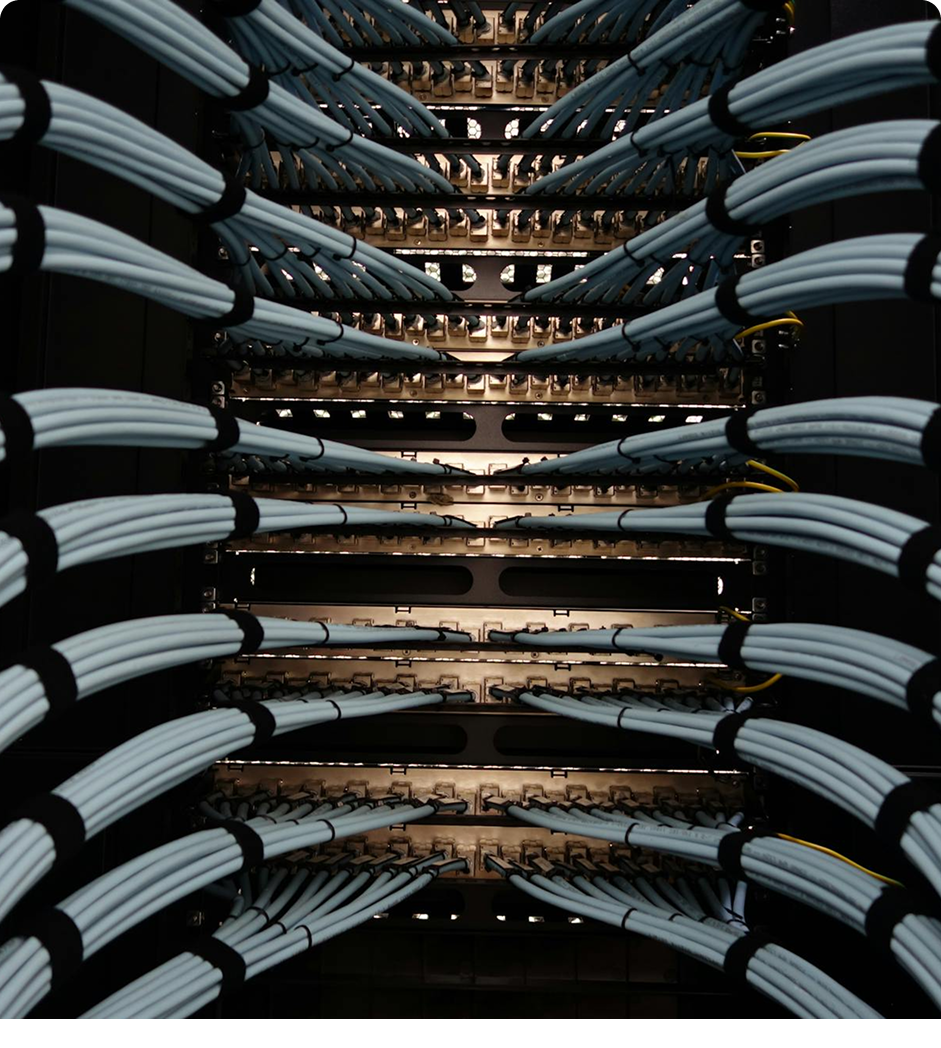
In the Sub-Saharan and MENA regions, internet stability is a variable, not a constant. MedixGate is built on a "Decentralized First" philosophy. We treat the internet as a convenience for syncing, not a requirement for operating. This ensures that a surgeon in a rural district or a receptionist in a crowded urban center can perform their duties without staring at a loading screen.
Intelligent Offline-First Functionality
MedixGate utilizes localized data caching and background synchronization.
Local Persistence: When the connection drops, the platform automatically switches to "Local Mode." so patients can continue their documentation.
Smart Conflict Resolution: Once the device detects a stable connection (3G, 4G, or Fiber), it performs a "Delta-Sync", uploading only the changes made while offline to save data costs and ensure record integrity without duplicating files.
Connectivity Resilience
The "Always-On" Architecture
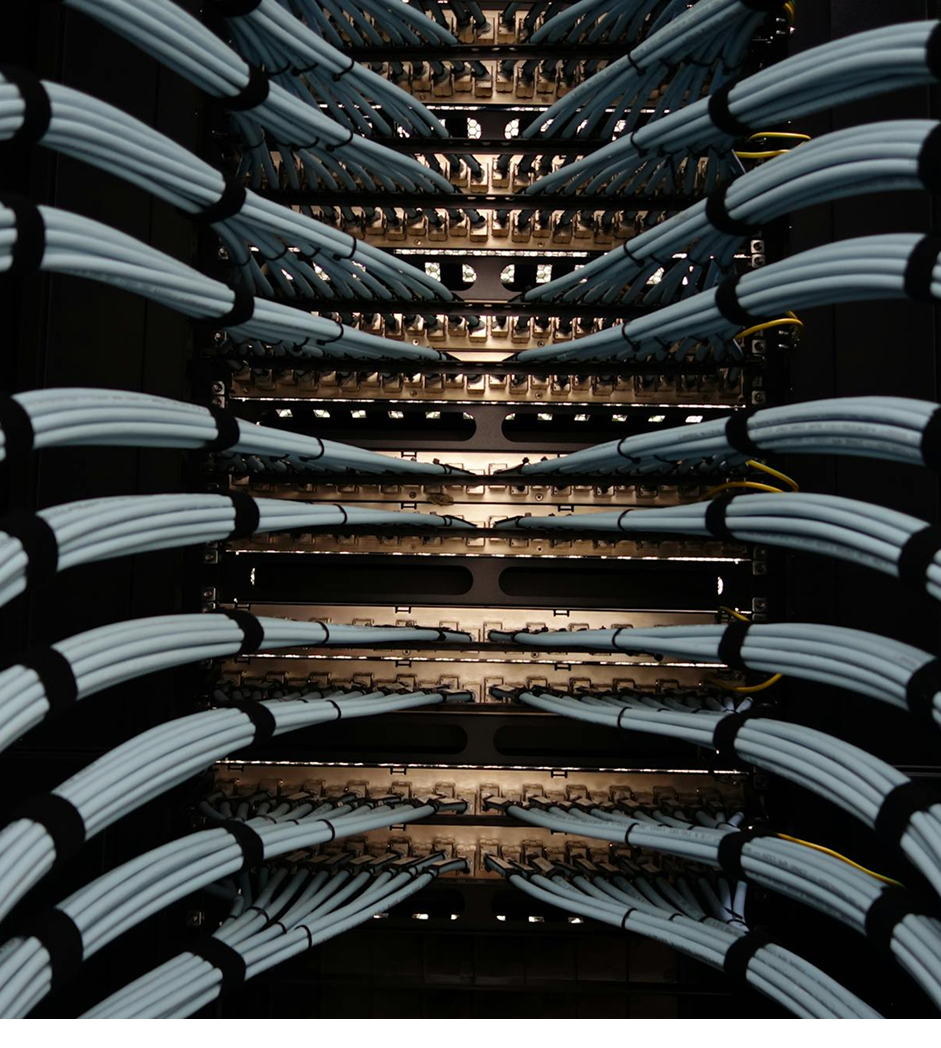
In the Sub-Saharan and MENA regions, internet stability is a variable, not a constant. MedixGate is built on a "Decentralized First" philosophy. We treat the internet as a convenience for syncing, not a requirement for operating. This ensures that a surgeon in a rural district or a receptionist in a crowded urban center can perform their duties without staring at a loading screen.
Intelligent Offline-First Functionality
MedixGate utilizes localized data caching and background synchronization.
Local Persistence: When the connection drops, the platform automatically switches to "Local Mode." Clinicians can continue to input vitals, write prescriptions, and update patient charts.
Smart Conflict Resolution: Once the device detects a stable connection (3G, 4G, or Fiber), it performs a "Delta-Sync", uploading only the changes made while offline to save data costs and ensure record integrity without duplicating files.
Low-Bandwidth Optimization
Most global EHRs are "heavy," requiring high-speed fiber to load high-resolution assets. MedixGate is engineered for the "Low-Data Economy":
Optimized Data Packets: We use compressed JSON payloads and image-lazy loading, allowing the platform to remain lightning-fast even on congested 3G networks.
Edge Computing: By utilizing regional "Edge" servers, we reduce the distance data travels, significantly cutting down latency (lag) for users in Morocco, Ethiopia, or Nigeria.
Power-Resilient Mobility
Connectivity resilience is also about hardware. MedixGate is optimized for mobile devices with long battery lives
Tablet-Centric Design: Since desktop PCs are vulnerable to power surges and outages, our platform is "Mobile-First." Doctors can carry their entire clinic in a tablet that stays powered for 12 hours, independent of the clinic’s main grid.
Low-Bandwidth Optimization
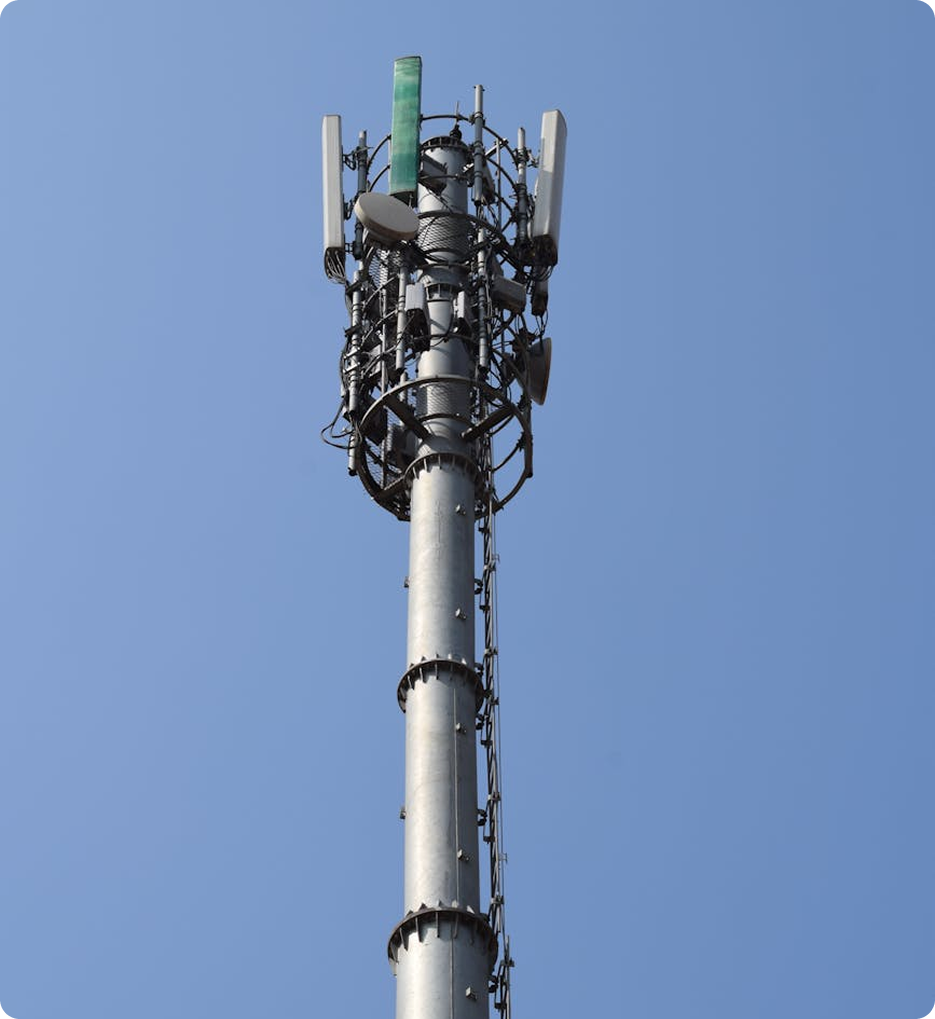
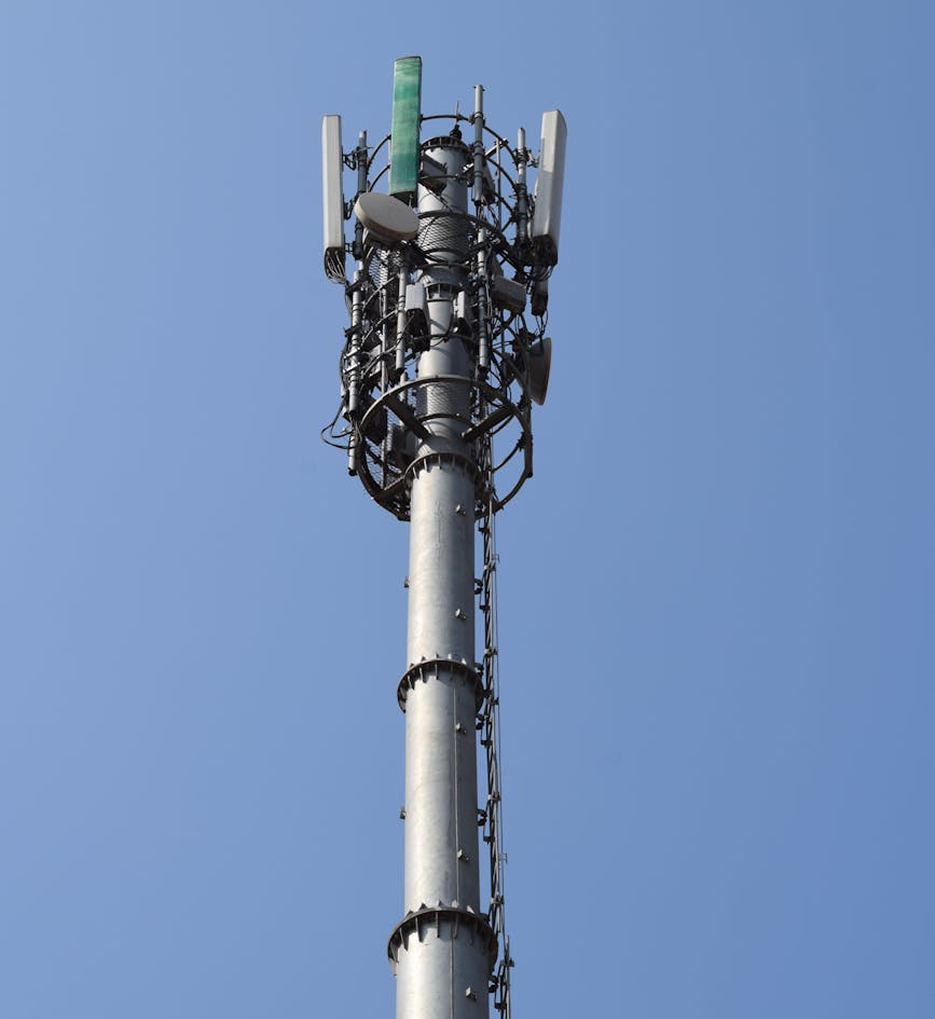
Most global EHRs are "heavy," requiring high-speed fiber to load high-resolution assets. MedixGate is engineered for the "Low-Data Economy":
Optimized Data Packets: We use compressed JSON payloads and image-lazy loading, allowing the platform to remain lightning-fast even on congested 3G networks.
Edge Computing: By utilizing regional "Edge" servers, we reduce the distance data travels, significantly cutting down latency (lag) for users in Morocco, Ethiopia, or Nigeria.
Power-Resilient Mobility
Connectivity resilience is also about hardware. MedixGate is optimized for mobile devices with long battery lives
Tablet-Centric Design: Since desktop PCs are vulnerable to power surges and outages, our platform is "Mobile-First." Doctors can carry their entire clinic in a tablet that stays powered for 12 hours, independent of the clinic’s main grid.

Multi-Currency & Language Localization
Financial Fluidity in a Fragmented Market
The African and MENA financial landscapes are uniquely diverse. MedixGate serves as a "Financial Translation Layer," ensuring that healthcare providers can capture revenue from every possible source without technical friction.
Native Multi-Currency Accounting: Our core ledger supports the Moroccan Dirham (MAD), Ethiopian Birr (ETB), Nigerian Naira (NGN), Kenyan Shilling (KES), and more. Reports can be toggled to show local currency for daily operations or USD/Euro for investor reporting.
Hyper-Local Fintech Rails: We integrate directly with the region's dominant payment ecosystems. This includes M-Pesa in East Africa, Telebirr in Ethiopia, Fawry in Egypt, and Paystack in West Africa.
Insurance Reconciliation: The system automatically maps local insurance coding standards to patient invoices, reducing claim rejection rates by ensuring the currency and codes match regional provider requirements.

Multi-Currency & Language Localization
Financial Fluidity in a Fragmented Market
The African and MENA financial landscapes are uniquely diverse. MedixGate serves as a "Financial Translation Layer," ensuring that healthcare providers can capture revenue from every possible source without technical friction.
Native Multi-Currency Accounting: Our core ledger supports the Moroccan Dirham (MAD), Ethiopian Birr (ETB), Nigerian Naira (NGN), Kenyan Shilling (KES), and more. Reports can be toggled to show local currency for daily operations or USD/Euro for investor reporting.
Hyper-Local Fintech Rails: We integrate directly with the region's dominant payment ecosystems. This includes M-Pesa in East Africa, Telebirr in Ethiopia, Fawry in Egypt, and Paystack in West Africa.
Insurance Reconciliation: The system automatically maps local insurance coding standards to patient invoices, reducing claim rejection rates by ensuring the currency and codes match regional provider requirements.
Linguistic Inclusion: Speaking the Patient’s Language
Healthcare outcomes improve when patients understand their care plans. MedixGate moves beyond simple English interfaces to provide a culturally resonant experience.
Right-to-Left (RTL) Support: Our UI is natively architected for Arabic, ensuring that clinicians in the Maghreb and the Middle East have a professional, intuitive interface that flows naturally.
The "Maghreb" Hybrid: We provide full French localization, essential for medical professionals and administrative standards in Morocco, Algeria, and Tunisia.
Amharic & Regional Dialects: For the Horn of Africa, we support Amharic and other regional languages within our Patient Engagement mobile application and AI Triage bots, ensuring rural populations can engage with the healthcare system effectively.


Linguistic Inclusion: Speaking the Patient’s Language
Healthcare outcomes improve when patients understand their care plans. MedixGate moves beyond simple English interfaces to provide a culturally resonant experience.
Right-to-Left (RTL) Support: Our UI is natively architected for Arabic, ensuring that clinicians in the Maghreb and the Middle East have a professional, intuitive interface that flows naturally.
The "Maghreb" Hybrid: We provide full French localization, essential for medical professionals and administrative standards in Morocco, Algeria, and Tunisia.
Amharic & Regional Dialects: For the Horn of Africa, we support Amharic and other regional languages within our Patient Engagement mobile application and AI Triage bots, ensuring rural populations can engage with the healthcare system effectively.
Culturally Intelligent AI Triage
Our AI does not just translate words; it understands context:
Medical Vernacular: The AI is trained on regional medical terminology and how symptoms are described locally.
Localized Communication: Patient reminders are sent in the patient's preferred language, increasing appointment attendance and medication adherence.
Culturally Intelligent AI Triage
Our AI does not just translate words; it understands context:
Medical Vernacular: The AI is trained on regional medical terminology and how symptoms are described locally.
Localized Communication: Patient reminders are sent in the patient's preferred language, increasing appointment attendance and medication adherence.